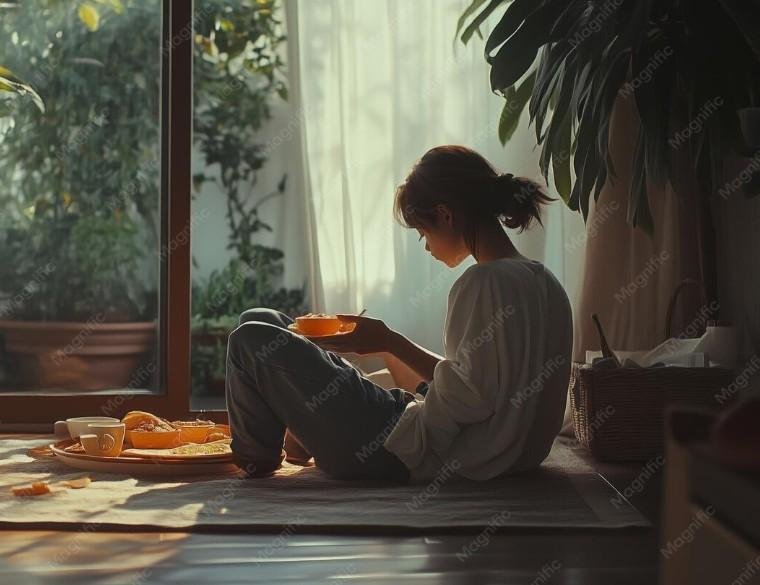
The art of slow living is about choosing a calmer, more meaningful way to live. It does not mean being lazy or doing nothing. It means slowing down enough to enjoy life, make better choices, and give attention to what truly matters.
In today’s fast world, people are always rushing. They rush to work, rush to reply to messages, rush to complete tasks, and even rush through meals. Life starts feeling like a race. Slow living offers a different path. It teaches us to pause, breathe, and live with intention.
What Is Slow Living?
Slow living is a lifestyle that focuses on quality over quantity. It encourages people to do things with more awareness instead of running after everything at once.
Slow living can be as simple as drinking tea without scrolling your phone, taking a walk without hurry, cooking a meal at home, or spending quiet time with family. It is not about leaving modern life. It is about using time wisely and peacefully.
The art of slow living helps people understand that a busy life is not always a successful life. Sometimes, peace, health, and meaningful relationships are more valuable than constant speed.
Why Slow Living Matters
Many people feel tired, stressed, and mentally overloaded. Social media, work pressure, traffic, deadlines, and constant notifications make the mind restless. Slow living helps reduce this pressure.
When you slow down, you start noticing small things. You enjoy your food more. You listen better. You sleep better. You make thoughtful decisions. You stop living on autopilot.
| Fast Living | Slow Living |
|---|---|
| Always rushing | Moving with intention |
| Multitasking all day | Focusing on one thing |
| Buying more things | Choosing what is useful |
| Constant screen time | More mindful moments |
| Stress and pressure | Peace and balance |
Benefits of Slow Living
The art of slow living can improve many areas of life. It gives your mind space to rest and your body time to recover.
One major benefit is less stress. When you stop trying to do everything at once, life becomes easier to manage. Slow living also improves focus because you give full attention to one task at a time.
It can also improve relationships. When you are not always distracted, you listen better and spend more meaningful time with people. Slow living also supports better health because it encourages proper sleep, mindful eating, movement, and emotional balance.
How to Practice Slow Living
You do not need to change your whole life in one day. Slow living begins with small habits.
Start your morning without immediately checking your phone. Give yourself a few quiet minutes before the day begins. Eat at least one meal slowly. Notice the taste, smell, and texture of your food.
Try to reduce unnecessary commitments. Not every invitation, task, or trend needs your attention. Learn to say no when something does not support your peace or purpose.
Create screen-free time during the day. Even 30 minutes without digital noise can refresh your mind.
Slow Living at Home
Your home plays an important role in slow living. A peaceful home does not need to be expensive or perfect. It should feel calm, comfortable, and useful.
Keep your space simple. Remove items you do not use. Add things that bring peace, like plants, soft lighting, books, or natural textures. A clean and simple home can make the mind feel lighter.
Slow living at home also includes enjoying basic routines. Cooking, cleaning, gardening, reading, or sitting quietly can become peaceful activities when done with attention.
Slow Living and Work
Slow living does not mean avoiding work. It means working with better focus and balance. Many people confuse being busy with being productive. But doing too many things at once often reduces quality.
At work, slow living can mean planning your tasks, taking short breaks, avoiding unnecessary distractions, and giving full attention to important work. It also means protecting your personal time after work.
A balanced work life helps you perform better without losing your health and peace.
Simple Slow Living Habits
| Habit | How It Helps |
|---|---|
| Wake up calmly | Starts the day with peace |
| Eat without hurry | Improves digestion and awareness |
| Take short walks | Clears the mind |
| Reduce screen time | Lowers mental noise |
| Declutter your space | Creates calm surroundings |
| Practice gratitude | Builds positive thinking |
| Spend time offline | Improves real-life connection |
Slow Living Is Not About Perfection
Many people think slow living means living in a village, growing all your food, or leaving technology completely. That is not true.
Slow living looks different for everyone. For one person, it may mean cooking at home. For another, it may mean spending weekends offline. For someone else, it may mean working fewer hours or making time for prayer, meditation, family, or hobbies.
The goal is not perfection. The goal is awareness.
Conclusion
The art of slow living is a gentle reminder that life is not only about speed, success, and busy schedules. It is also about peace, presence, health, and meaningful moments.
When you slow down, you start living more fully. You notice your surroundings, enjoy your relationships, and make choices with care. Slow living does not ask you to stop moving forward. It simply asks you to move forward with calm, purpose, and balance.